Devlog
How the game is being made, day by day: new peoples, maps, art and the thinking behind them. Follow it by RSS.
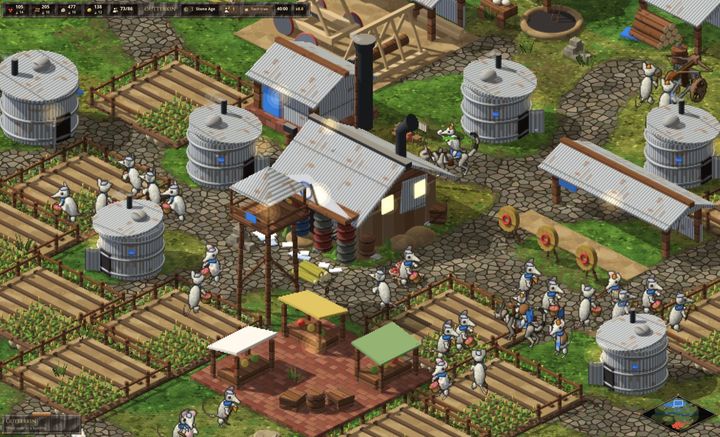
Moving a whole RTS from Godot to Lobster in four days
The game was Godot for two weeks. Now it's Lobster, held to the old game tick for tick and pixel for pixel. Why, how, the hard part, and how it reached a phone.
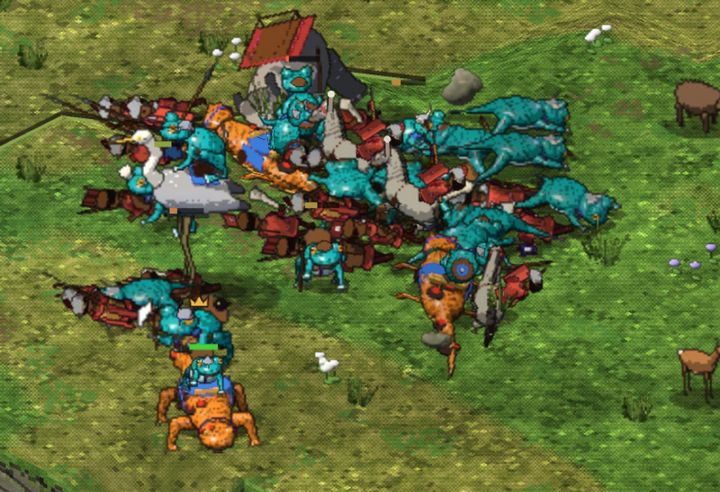
Frogs that fall over properly, and the site on a phone
Day eleven: dying frogs stop looking upside down and lie face down in 3D, and the website gets fixed up for phones, link previews and a filled-in devlog.
A website, a game icon and a Discord
Day ten: the game gets a home page, a devlog, an icon picked from a lot of rounds of ideas, and a Discord server where you can follow along and say hello.
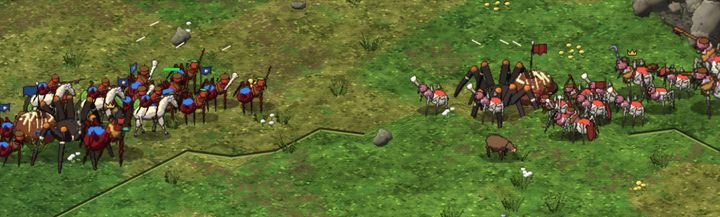
Red spiders, one hero each and towers you can garrison
Day nine: colour words work in the race generator, every race gets one hero (name one and you get that one), and three tower bugs from playing get fixed.
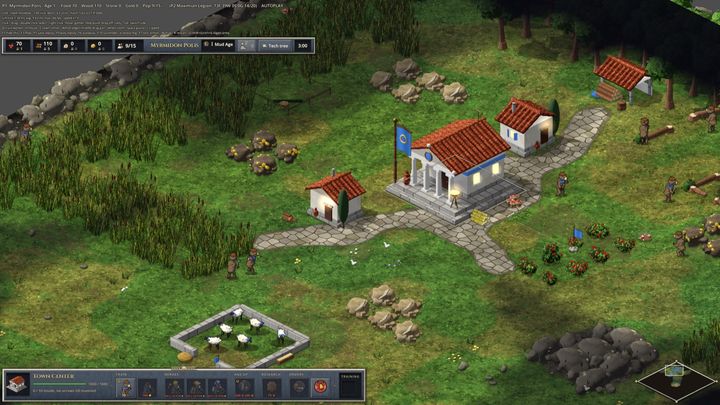
Bears, network play and the Norse shield wall
Day eight: brown bears, moonbears and polar bears join, two computers play a match over the home network, and the Norse get a culture and a shield wall.
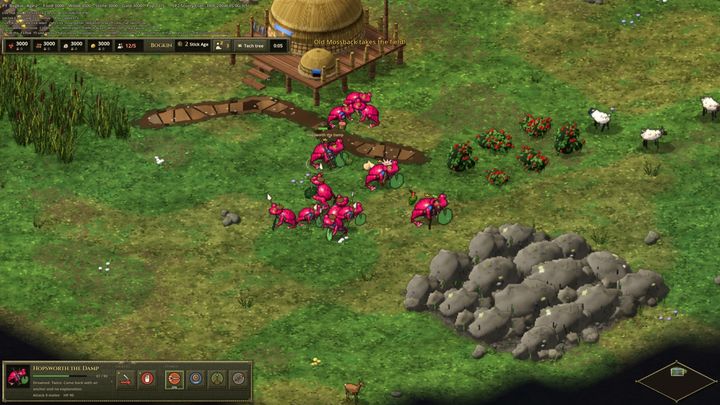
War beasts that walk, heroes for every race, and saves
Day seven: war elephants get jointed legs, every race gets heroes, matches can be saved and loaded, and a Steam Deck mystery of white boxes gets solved.
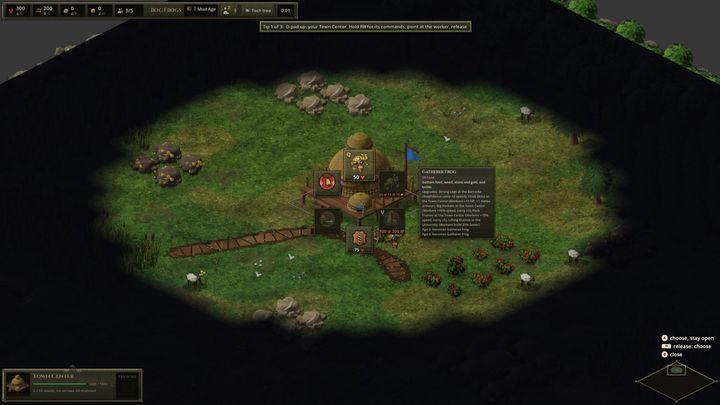
Playing an RTS with a controller, then on a Steam Deck
Day six: a reticle, a selection circle and an order ring make the game playable with a pad, and the first build runs on a Steam Deck the same evening.
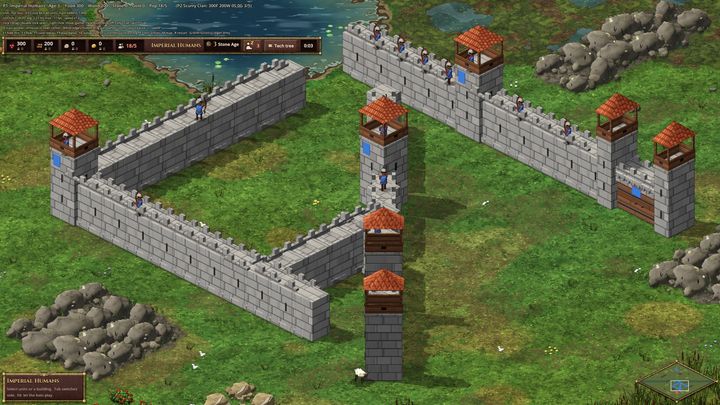
Tests that catch art bugs, tall walls and war beasts
Day five: automatic checks that every unit is put together right, walls your soldiers stand on, war elephants, herons and a bullfrog on a sling.
Siege engines with their crews, and arrows that miss
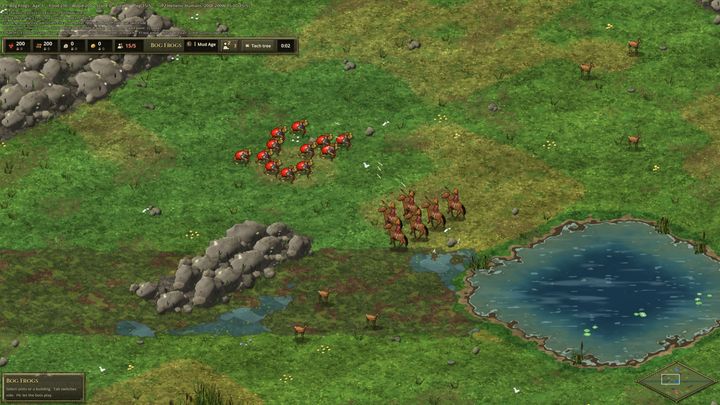
Day four: rams and siege engines with the crews that push them, rats grow to human size, and archers stop winning everything once their arrows can miss.
Workers that swing their tools, walls and a new name
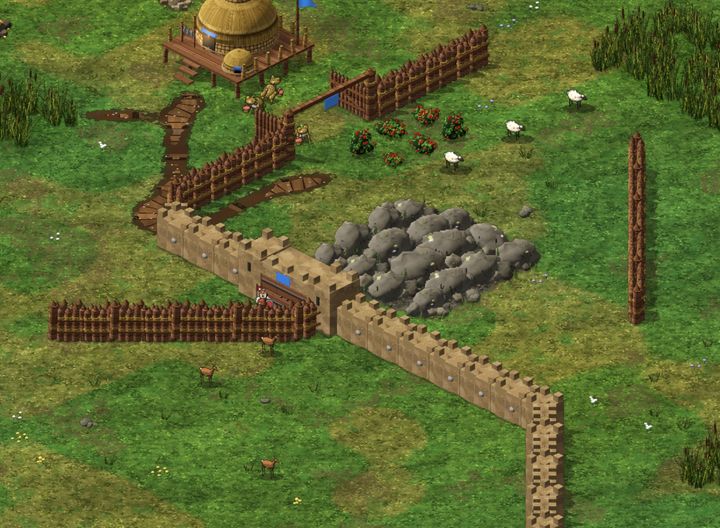
Day three: units built from parts learn to work properly, centaurs kneel to forage, walls and gates go up, and Age of Whatever becomes Age of Anything.
Going isometric, an economy and five ways to draw a frog
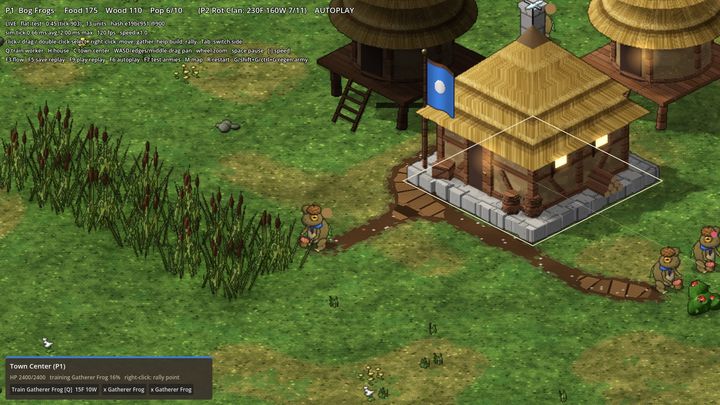
Day two: 50 units through a two-tile gap, workers gathering food and wood, a bot that plays an opening, and five tries at what the game should look like.
Day one: from a chat to a race generator
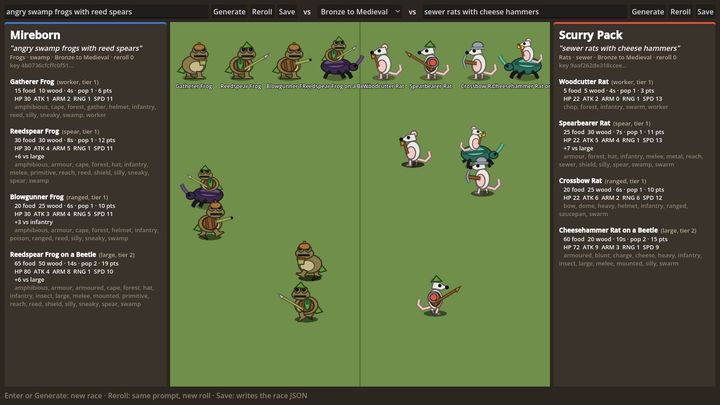
It started as a chat about where games are going and ended the same day with frogs, rats and centaur Romans, built from a kit of parts and fighting.


